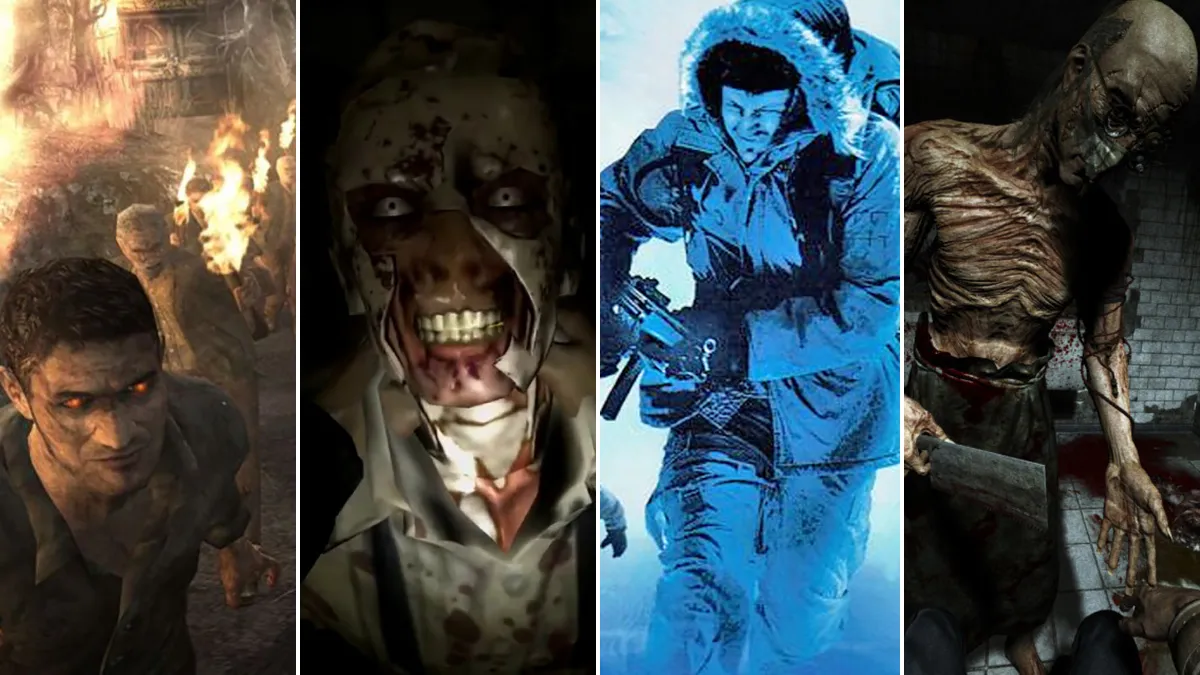
Most Unusual Horror Games That Gained Popularity
Most horror games try to scare you. The ones people keep talking about do something different; they break the rules completely. One looks like a simple dating game, another feels like an old, low-budget game, and one starts like a normal card game before turning into something strange.
These games stay in your mind, not because they follow the usual horror style, but because they ignore it. The strangest horror games often become the most popular, not because they are easy or familiar, but because they feel completely different from everything else. This article outlines 25 weirdest horror games that became popular, highlighting:
- Unusual gameplay mechanics that break normal horror rules
- Strange stories that are hard to explain but easy to remember
- Meta and fourth-wall moments that mess with the player
- Unique art styles that make the experience feel unsettling
- The key reasons these games went viral or built cult followings
1. Doki Doki Literature Club (2017)
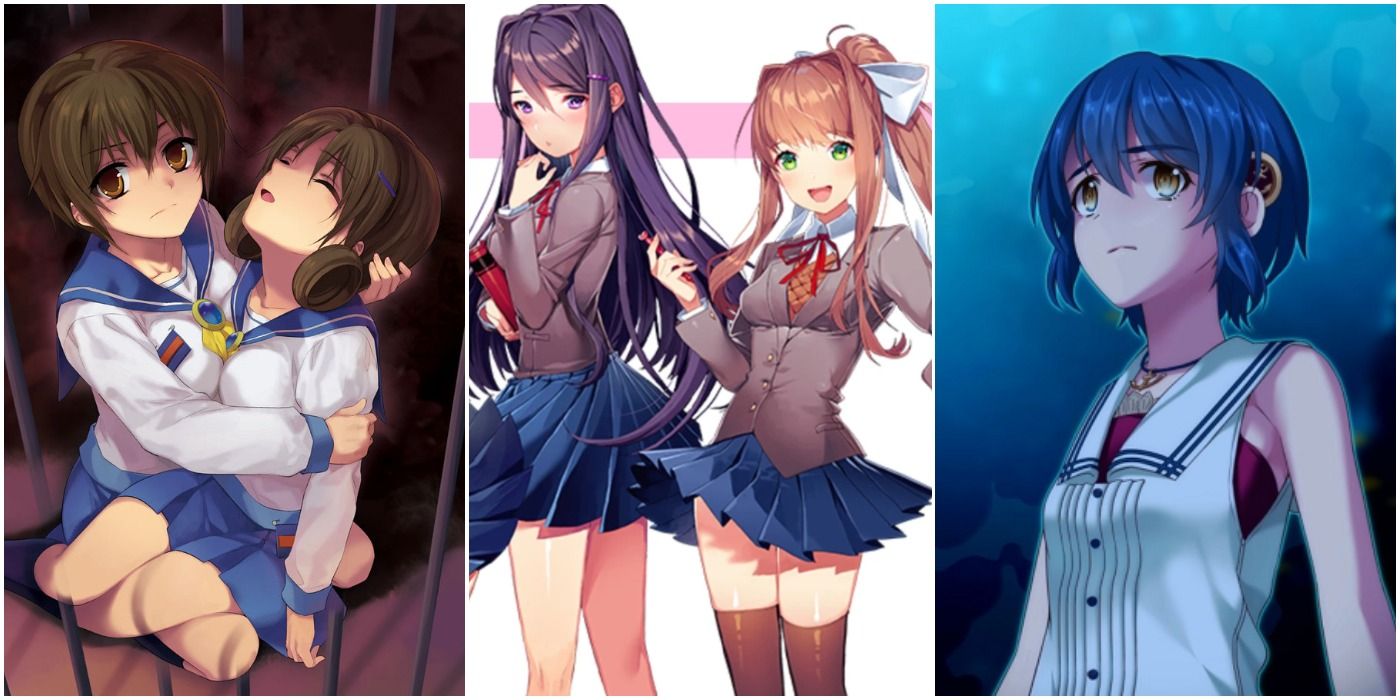
On the surface, Doki Doki Literature Club seems like a normal, cheerful high school visual novel. You join a school poetry club, interact with cute characters, and enjoy simple dialogue choices. But soon, it shatters all expectations by breaking the fourth wall. Characters become self-aware, the story warps, and even your game files are manipulated to create deep psychological tension.
The game’s appeal comes from its meta-horror mechanics and shocking story twists. Players often discuss the experience on Reddit, Twitch, and YouTube, helping it go viral. It also rewards replaying, as noticing hidden cues and secrets reveals more layers of the narrative.
2. Poppy Playtime (2021)
Poppy Playtime takes place in a creepy, abandoned toy factory where you explore dark hallways filled with oversized toys and unsettling animatronics. You use a mechanical grabber arm to solve puzzles, adding a layer of interactive tension that keeps players on edge. The mix of cute toys and horrifying situations creates a surreal, unforgettable atmosphere.
The game exploded online thanks to streamers and TikTok creators who showcased its jump scares and eerie design. Its visual style, combined with unexpected horror events, makes it memorable and highly shareable. Players love revisiting the factory to uncover hidden areas and secrets, giving it strong replayability.
3. Phasmophobia (2020)
Phasmophobia is a multiplayer ghost-hunting game where players use tools like EMF detectors, cameras, and voice recognition to communicate with spirits. Its cooperative gameplay makes each session unpredictable, creating real tension as you work with friends to survive.
The unique voice-driven mechanics make the ghost interactions feel alive and personal, which heightens the psychological impact, making it a standout interactive simulation gameamong horror titles. The game became a viral hit on Twitch and YouTube, with streamers showing their friends’ reactions to ghost encounters. Its community-driven discussion and cooperative scares made it a perfect fit for streaming culture.
4. Inscryption (2021)
Inscryption starts as a simple card game but quickly evolves into something much stranger. It blends roguelike deck-building mechanics with narrative horror, and each layer of the game introduces new, unsettling twists. Players never know what will happen next, creating a constant sense of psychological tension and unpredictability.
Its unique design and shocking surprises made it hugely popular on Twitch and YouTube, as viewers reacted to each meta twist in real time. The combination of strategic gameplay, surreal horror, and emotional storytelling makes it both memorable and replayable. Fans often discuss theories about the narrative and hidden secrets, amplifying its community-driven virality.
5. Needy Streamer Overload (2022)
Needy Streamer Overload isn’t just a horror experience; it’s also a role-playing simulation game, where every choice you make shapes the streamer’s mental state and the story’s outcome. The game explores parasocial relationships and internet culture through tense and sometimes disturbing interactions, blending dark humour with psychological tension.
The title became highly discussed and memed online because it reflected real-world internet habits. Multiple endings and branching paths give it strong replayability, encouraging players to explore different outcomes. The mix of emotional storytelling, social commentary, and unusual mechanics helped it gain a cult following quickly, showing that horror doesn’t always rely on jump scares; it can thrive on weirdness and cultural insight.
6. Among The Sleep (2014)
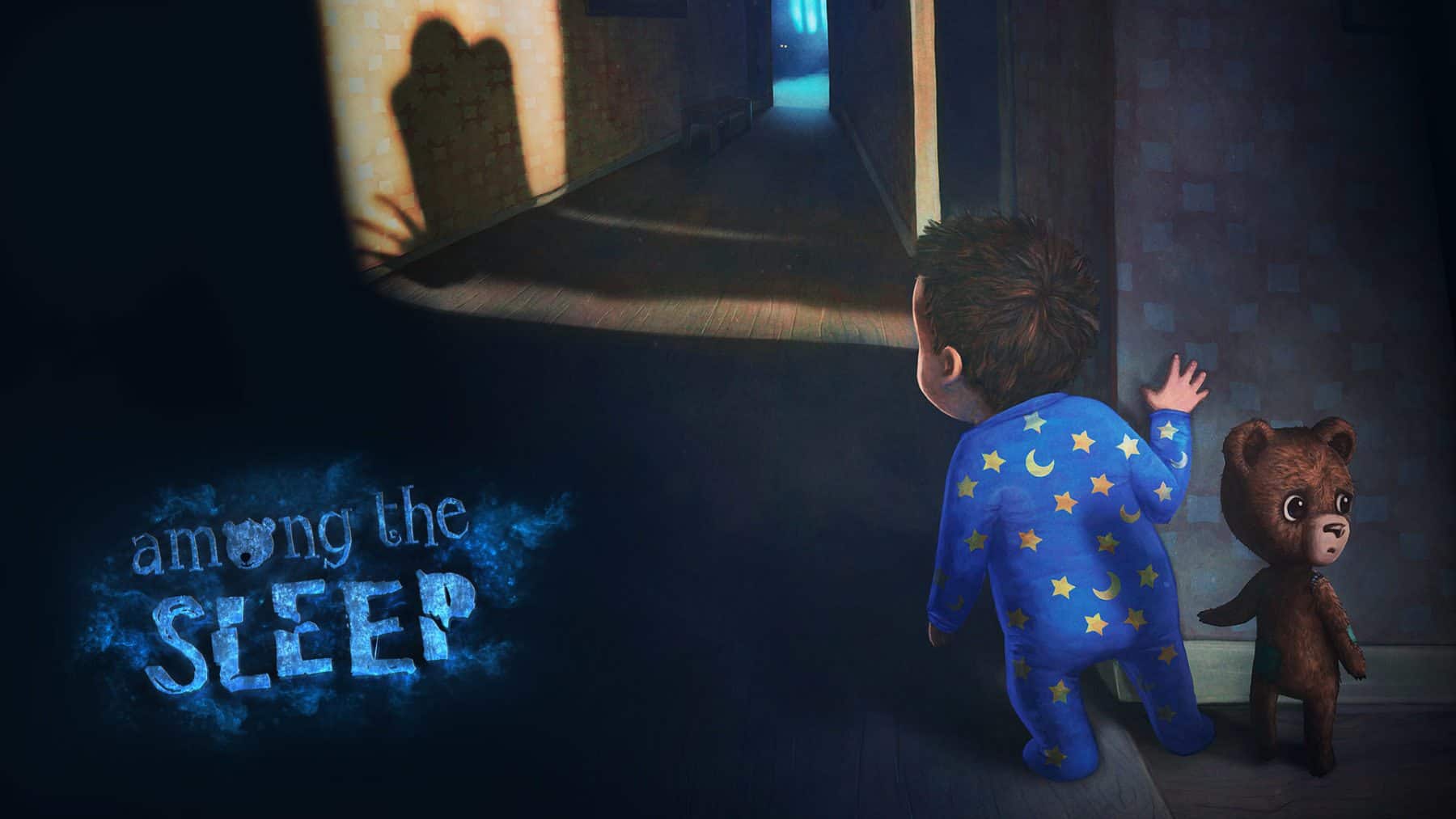
Among the Sleep puts you in the role of a toddler exploring a dark and surreal home. Its perspective makes even ordinary objects seem unsettling, creating a unique psychological tension. The game uses sound design, lighting, and dreamlike environments to craft an immersive horror experience that is both emotional and surreal.
Its unusual angle and experimental storytelling drew attention from fans seeking something different in horror gaming. Many players remember the experience for its atmospheric world-building and lingering emotional impact. Revisiting the game reveals new layers of symbolism and hidden details, giving it excellent replay value.
7. Milk Inside A Bag Of Milk Inside A Bag Of Milk (2020)
This extremely short, surreal game puts you inside the mind of a young girl dealing with obsessive thoughts. Everyday tasks are turned into bizarre and psychologically tense experiences, showing how mundane life can feel overwhelming. Its looped, cryptic style creates surrealism and unpredictability, engaging players on a deep mental level.
The game became an internet micro-sensation for its emotional intensity and strangeness. It’s widely shared in online horror communities, as players discuss the story and its unusual narrative style. The simplicity, combined with psychological depth and emotional engagement, shows that even very short games can leave a lasting impression.
8. Who’s Lila? (2021)
Who’s Lila? lets you communicate by manipulating your character’s facial expressions, turning normal conversation into a strange, unsettling mechanic. The game explores identity, social anxiety, and psychological horror through a surreal gameplay experience that is unlike anything else in the genre.
Its originality caught the attention of indie horror fans and streaming audiences, making it a standout title. Players are often drawn back to experiment with different expressions and choices, enhancing replayability. By combining unique mechanics, psychological tension, and surreal visuals, Who’s Lila? proves that weird games can create memorable, viral experiences.
9. Omori (2020)
Omori starts as a whimsical RPG but quickly descends into emotionally intense dream worlds and psychological horror. Players navigate surreal landscapes while uncovering trauma-driven stories. The game’s mix of emotional depth, imaginative visuals, and unusual gameplay makes it memorable and deeply affecting.
Fans appreciate the game’s emotional storytelling and replayability, as exploring different paths reveals new layers of the narrative. Its combination of psychological engagement, surreal environments, and memorable characters helped it spread widely among indie horror communities. Omori is a prime example of how blending genres and pushing boundaries can create a standout horror experience.
10. Mouthwashing (2024)
Set on a dying cargo ship, Mouthwashing combines corporate guilt, body horror, and surreal visuals to create a short but impactful horror experience. Its minimalistic design and oppressive atmosphere make players feel trapped and tense, amplifying the psychological horror.
The game quickly became a cult favourite online due to its dark, unique tone and shareable, surreal storytelling. The short but replayable experience encourages players to revisit the ship and explore its hidden secrets. Mouthwashing shows that even small indie titles can achieve mainstream popularity by blending emotional engagement, weird mechanics, and community virality.
11. Lorelei And The Laser Eyes (2024)
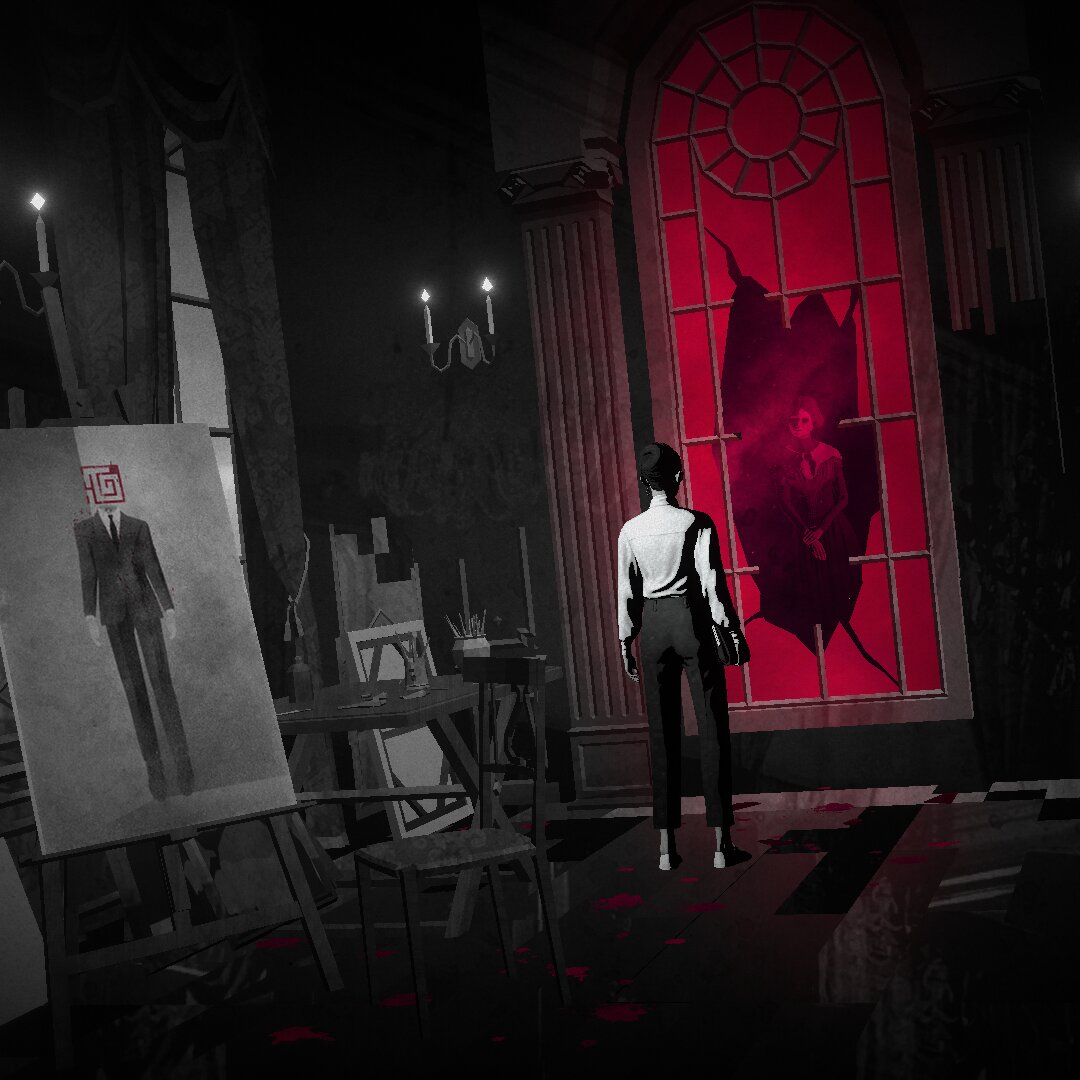
Lorelei and the Laser Eyes places you in a surreal hotel filled with twisting puzzles and strange architecture. The environment feels almost alive, with spaces bending and looping in unexpected ways. Its Lynchian vibes and mysterious narrative keep players constantly on edge, making even simple exploration feel tense and psychologically engaging.
Critics and players praised the game’s dense atmosphere and meticulous puzzle design, while social sharing helped it gain popularity quickly. Fans often revisit the hotel to discover hidden areas and solve alternative riddles, giving it strong replayability. Its blend of psychological tension, surreal visuals, and challenging mechanics makes Lorelei and the Laser Eyes a standout in modern weird horror.
12. Eternal Darkness: Sanity’s Requiem (2002)
Eternal Darkness: Sanity’s Requiemuses a sanity meter to change the game around you as your character descends into madness. Players experience visual glitches, false game crashes, and other effects that break expectations and manipulate perception. Its meta-horror approach was groundbreaking at release and still influences modern psychological horror games.
Though released on the GameCube decades ago, its innovative mechanics and memorable scares have kept it relevant. Discussions about its sanity tricks circulate online, and many streamers revisit it for its unpredictability. By merging narrative depth, unusual gameplay, and psychological distortion, Eternal Darkness remains a key example of why weird horror continues to captivate players.
13. Fran Bow (2015)
Fran Bow follows a young girl navigating hallucinatory, nightmarish worlds after a traumatic event. Its art style is unsettling yet whimsical, creating a surreal environment where horror and emotional storytelling intersect. The game explores psychological trauma, loss, and grief, making each puzzle and encounter more than just a jump scare.
The game gained popularity through fan art, memes, and active online communities, which helped it reach new players. Its emotional depth and strange mechanics encourage multiple playthroughs to uncover hidden endings. Fran Bow shows how combining emotional narrative with surreal horror can make a game both memorable and widely shared.
14. The Cat Lady (2012)
The Cat Lady delves deep into themes of depression, suicide, and recovery, blending dark psychological storytelling with surreal horror. Players guide Susan, a troubled protagonist, through eerie encounters that challenge perception and morality. Its unsettling tone and unconventional mechanics create tension that lingers long after gameplay ends.
Fans praise the game for its emotional intensity and memorable storytelling, often sharing moments online and in horror communities. Its unique blend of psychological engagement, disturbing imagery, and replayable narrative choices helped it build a devoted cult following. The Cat Lady demonstrates that horror can be profoundly human, strange, and thought-provoking.
15. Harvester (1996)
Harvester isn’t just a retro horror game; it’s also an example of how poorly designed productscan create unforgettable, chaotic tension. Set in a 1950s town overflowing with dark humour and shocking content, players experience absurd violence, disturbing dialogue, and morally confusing choices, making it a truly unusual horror experience for its time. Its chaotic storytelling and unexpected events blur the line between comedy and terror.
Although decades old, Harvester maintains a reputation in retro horror and indie forums for its bold and unhinged approach. Players still discuss its content and share reactions online, keeping its community appeal alive. Its combination of weird humour, shocking imagery, and immersive world-building shows how early horror games paved the way for modern experimental titles.
16. Corpse Party (1996-2008, Multiple Releases)
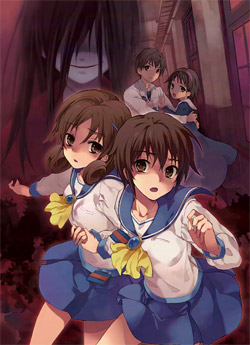
Corpse Party places players in a haunted school where students face supernatural threats with violent consequences. Its chibi visuals contrast with gruesome storylines, creating an unsettling tension between appearance and content. The game’s branching narrative and multiple endings encourage replaying to uncover all possible outcomes.
The series gained popularity across generations through cult fanbases, remakes, and streaming culture. Fans discuss theories and secrets, fueling its viral spread. By combining psychological tension, gruesome horror, and unique storytelling, Corpse Party exemplifies how weird horror can capture attention and sustain community engagement.
17. Rule Of Rose (2006)
Rule of Rose is a PlayStation 2 cult classic that explores childhood power dynamics and twisted psychology. Players navigate an orphanage filled with surreal imagery and emotionally disturbing encounters. Its story combines psychological horror with mystery, leaving players uneasy and questioning the morality of their actions.
Although obscure at first, retrospectives and online discussions built their popularity over time. Controversial content made it a talking point in forums, boosting its cult status. With complex narrative, surreal visuals, and unsettling gameplay, Rule of Rose demonstrates how horror can be strange, thought-provoking, and unforgettable.
18. The Path (2009)
The Path is an abstract exploration game inspired by fairy-tale themes and psychological symbolism. Players guide characters through a forest where each step feels unpredictable and eerie. Its dreamlike presentation and narrative ambiguity create tension while encouraging reflection on deeper themes.
Fans discuss interpretations and hidden symbols online, giving it a lasting community and viral appeal. Its non-linear design and multiple outcomes ensure high replayability. The Path shows that abstract, symbolic storytelling can become emotionally resonant and widely discussed within the horror gaming world.
19. Little Misfortune (2019)
Little Misfortune is a darkly humorous adventure experienced through the eyes of a child. The game blends whimsical visuals with unsettling, sometimes tragic events, creating a strange but compelling psychological experience. Players encounter moral choices and narrative surprises that keep tension high.
Its quirky mix of morbidity and humour made it widely shared among casual and indie horror audiences. Fans often revisit the story to explore alternate paths and hidden endings, increasing replayability. Little Misfortune demonstrates that combining emotional engagement, surrealism, and humour can create a memorable and shareable horror experience.
20. Amnesia: The Dark Descent (2010)
Amnesia: The Dark Descent uses sanity mechanics to heighten tension and immersion, forcing players to navigate darkness and fear indirectly. Its environmental storytellingand puzzles create psychological horror that is deeply engaging. Players feel vulnerable and constantly on edge, making each session memorable.
The game gained fame on Let’s Plays and Steam, cementing its place as a defining horror game of the 2010s. Fans return to explore different strategies and secrets, enhancing replayability. By combining innovative mechanics, surreal environments, and immersive narrative, Amnesia shows why weird horror continues to captivate mainstream audiences.
21. Layers Of Fear (2016)
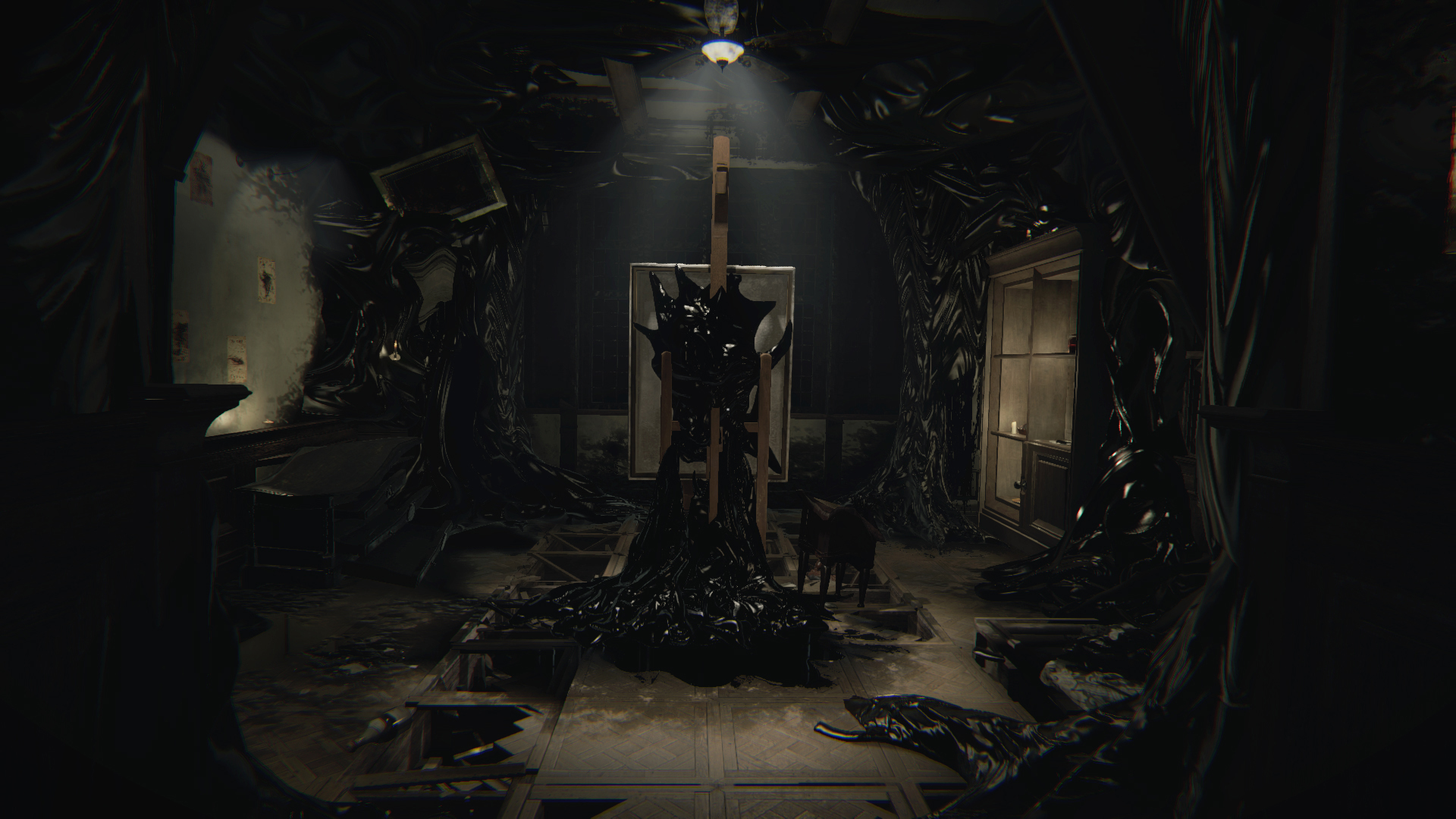
Layers of Fear puts players inside the mind of a tormented painter, where each room and hallway constantly shifts around you. The game blends psychological horror with surreal, ever-changing environments, making every playthrough feel unpredictable. Players experience tension as reality warps and the narrative slowly reveals the artist’s personal struggles and obsessions.
Its unique design encouraged players to explore and share discoveries online, with streamers and fans analysing hidden details and story threads. The game’s combination of emotional depth, psychological fear, and shifting visuals created strong replayability and cemented its status as a modern weird horror classic.
22. Oxenfree (2016)
Oxenfree is a supernatural thriller where a group of teens navigates a mysterious island with strange radio signals and time loops. While not traditional horror, its creepy moments, ghostly encounters, and unsettling dialogue make it memorable. The game’s dialogue system and environmental storytelling give players a sense of psychological engagement rarely seen in narrative adventures.
Fans widely shared experiences online, analysing the game’s paranormal phenomena and branching storylines, helping it gain popularity beyond indie circles. Oxenfree shows how combining mystery, surreal events, and player choice can make a game psychologically compelling without relying on typical jump scares.
23. Phasmophobia VR / Paranormal Add‑Ons (2020+)
Phasmophobia’s VR and modded versions expanded the original multiplayer ghost-hunting experience into fully immersive worlds. Using voice recognition and ghost-detecting tools, players communicate with spirits in real time, heightening tension and unpredictability. These adaptations made the game even more engaging and surreal, increasing its psychological impact.
Streaming and viral content kept the game trending, as audiences loved watching players react to unexpected paranormal events. With cooperative gameplay, replayable scenarios, and community mods, Phasmophobia VR reinforced the title’s weird horror appeal and mainstream visibility.
24. Silent Hill: Shattered Memories (2009)
Silent Hill: Shattered Memories reimagines the franchise with psycho-profiling mechanics and dreamlike sequences that alter gameplay based on the player’s choices. Its distorted, eerie environments and psychological focus set it apart from typical survival horror games. Players navigate both physical and emotional landscapes, creating tension and deep engagement.
The game sparked discussion among fans for its unique take on familiar characters and unsettling narrative techniques. By blending psychological profiling, surreal visuals, and branching storylines, Shattered Memories became a memorable entry in the Silent Hill series and a lasting weird horror favourite.
25. Pathologic 2 (2019)
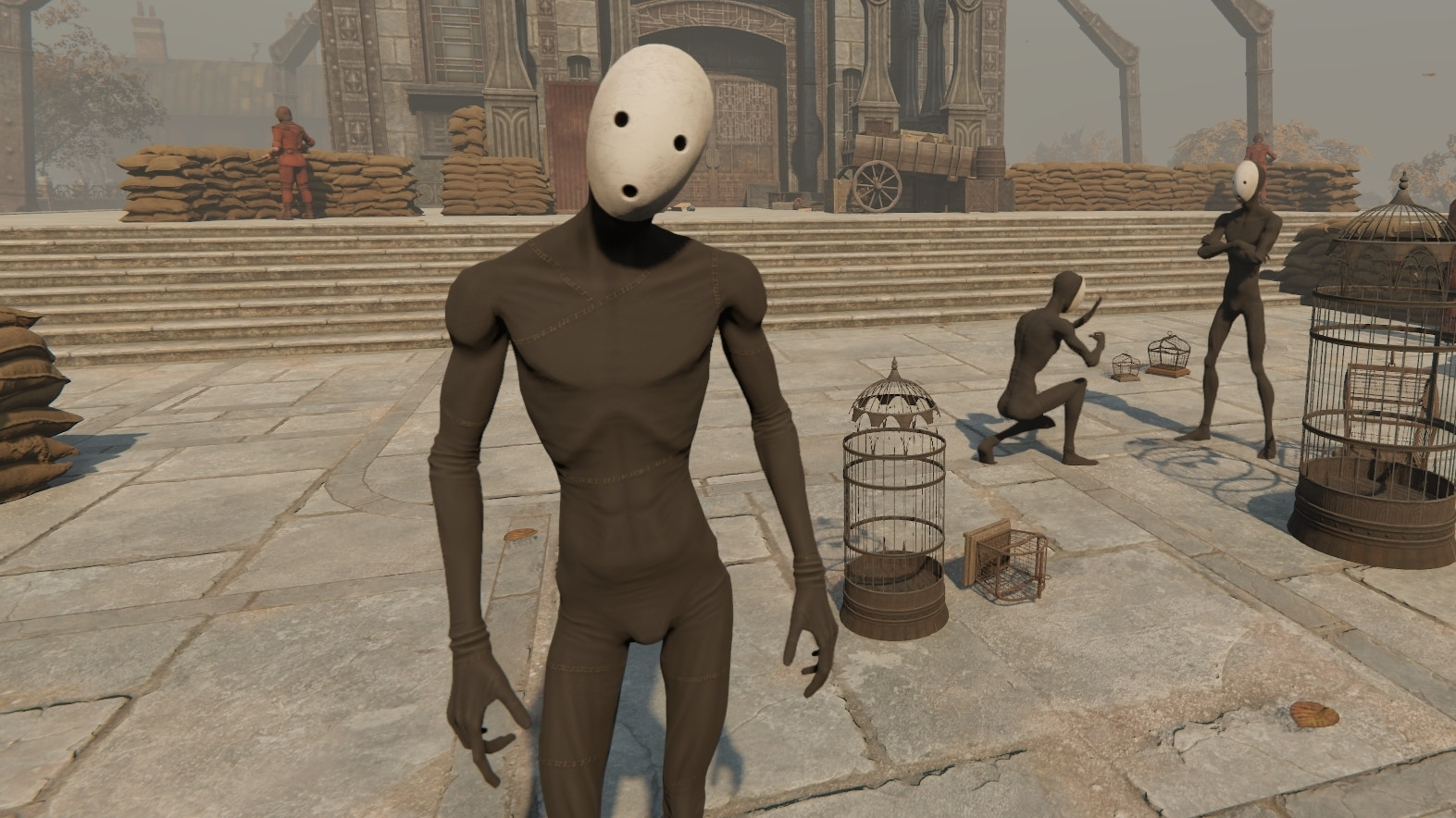
Pathologic 2 is a morally complex, time-sensitive plague simulator set in a dying town. Some horror games combine survival and management mechanics, requiring careful planning and resource tracking. While not the best city-building games, these elements create tension and make your choices feel meaningful in the story.
Its oppressive atmosphere, strange economy, and cryptic narrative push players into a surreal, anxiety-inducing experience. The game became widely discussed in niche communities and indie forums, as players debated choices, endings, and hidden details.
Why Weird Horror Games Stick - The Psychology Behind Their Appeal
Weird horror games aren’t just strange; they stick in your mind because they do things differently. They make players feel uneasy in unexpected ways, breaking the usual rules of horror.
Breaking Expectations Creates Fear
Traditional horror sets up rules you can expect. Weird horror ignores them. In Doki Doki Literature Club, the cheerful music feels terrifying later. In Yume Nikki, empty corridors create tension because you never know what’s coming. These games instil fear by keeping players unsure and off-balance.
Players And Communities Complete The Story
Many weird horror games leave parts unexplained. Fans fill the gaps with theories, art, and discussions, turning the game into a shared experience. This community engagement spreads the game’s popularity far beyond solo play.
Why Simple Graphics Can Be Scarier
Rough or minimal visuals leave room for imagination. Faith’s crude sprites and Yume Nikki’s simple graphics make the brain fill in the gaps, creating subtle, persistent dread that polished visuals often can’t match.
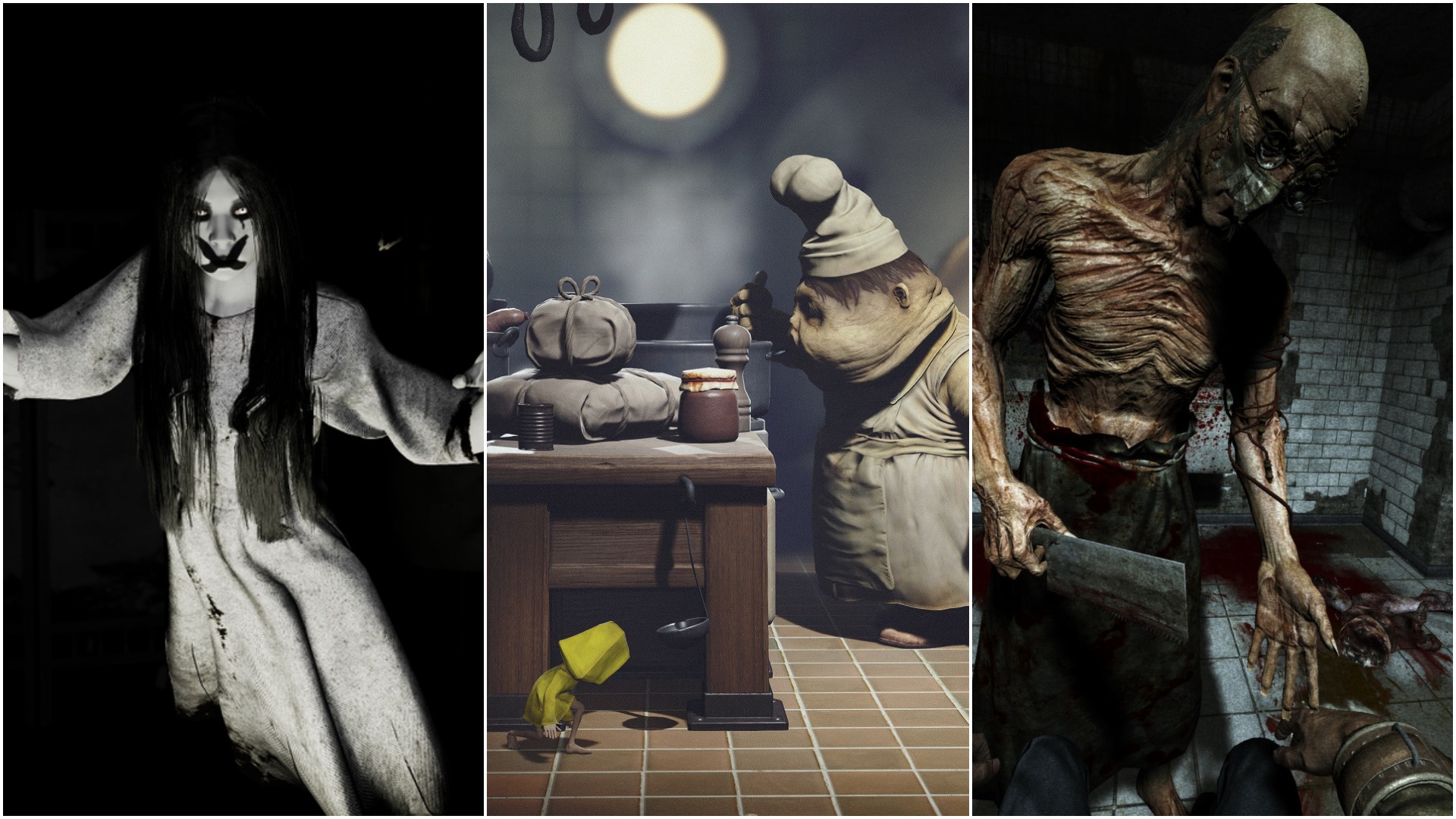
Why Weird Horror Wins Fans
Here’s why these strange horror games attract so many players.
- Novelty:Unusual mechanics surprise players and keep them guessing.
- Psychological engagement:Dreamlike, unpredictable events make the game more tense and memorable.
- Community influence:Fans share, stream, and meme these games, boosting their popularity.
- Replayability:Ambiguous stories and multiple endings make players return for more.
- Platform flexibility:Indie or experimental games can reach big audiences even without a huge budget.
People Also Ask
What Are The Strangest Horror Games Ever Made?
Strangest horror games include titles like Doki Doki Literature Club, Poppy Playtime, and Inscryption, known for unusual mechanics, surreal themes, or psychological twists that break standard horror rules.
Why Do Players Like Bizarre Horror Games?
Players enjoy bizarre horror games because the unexpected rules, odd visuals, and psychological surprises create tension, curiosity, and memorable experiences that feel different from typical jump scares.
How Can A Horror Game Be Both Weird And Popular?
A horror game becomes weird and popular when it offers unique mechanics, emotional depth, or narrative surprises that players share online, turning it into a viral topic.
Are There Examples Of Bizarre Mechanics That Led To Success?
Yes. DDLC manipulates game files, Inscryption blends card game mechanics with horror narrative, and Phasmophobia uses voice recognition to interact with ghosts.
Which Indie Horror Games Went Mainstream Unexpectedly?
Indie titles like Omori, Phasmophobia, and Poppy Playtime went mainstream through community buzz, social media clips, and streaming popularity.
Which Games Feature Psychological Horror With Unusual Design?
Games such as Doki Doki Literature Club, The Cat Lady, and Omori use emotional storytelling, surreal settings, and narrative depth to create psychological horror.
Final Thought
Weird horror games show that fear doesn’t need a formula. By breaking rules, bending reality, and blending strange mechanics with psychological tension, they stick in your mind long after playing. Surreal stories, unsettling worlds, and interactive twists make these games unforgettable, and that’s why they became so popular.